

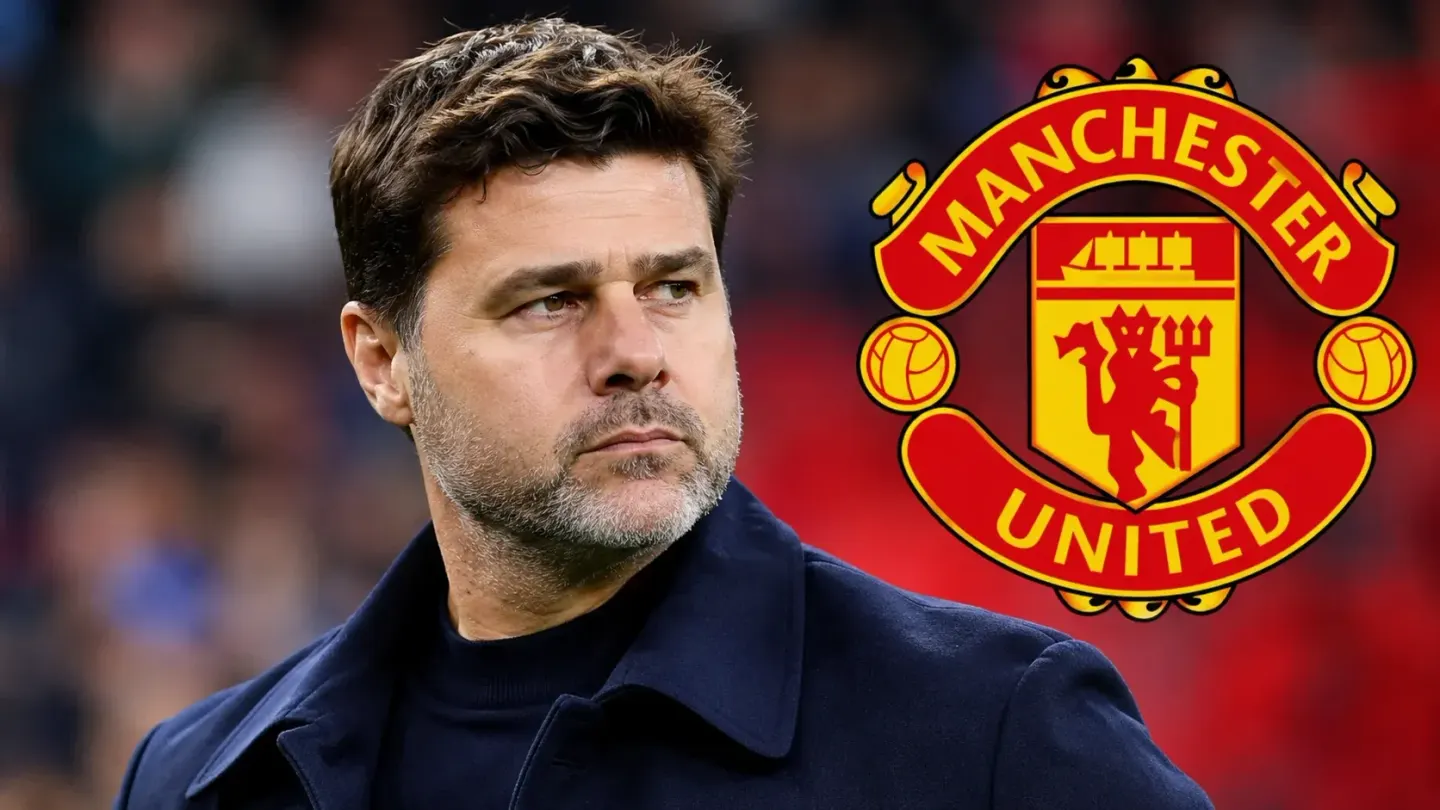
Mauricio Pochettino has emerged as a strong candidate to lead Manchester United, with football analysts describing him as the best available option for the Premier League club. Speaking during a television discussion, former players Tim Howard and Robbie Mustoe expressed support for Pochettino, highlighting his experience, man-management skills and ability to rebuild team spirit.
Pochettino’s potential move to Old Trafford comes after his time with the United States men’s national team. His previous experience in English football, particularly with Tottenham Hotspur and Chelsea, has strengthened the case for his appointment. At Tottenham, he built a competitive side known for its unity, high-energy football and development of young players.
Tim Howard believes Manchester United need more than tactical changes. According to him, the club urgently needs togetherness and renewed confidence within the dressing room. He argued that Pochettino has the personality and leadership qualities to bring players together and restore belief in a squad that has struggled to deliver consistent performances.
Howard also pointed to Pochettino’s previous relationships with players such as Lisandro Martínez and Luke Shaw. His experience working with Shaw at Southampton could help establish an early connection, while his understanding of Martínez’s background may also support the defender during a challenging period for the club.
Robbie Mustoe agreed that Pochettino represents the best realistic managerial option for Manchester United. He highlighted the Argentine coach’s experience managing major clubs and high-profile footballers, including his time at Paris Saint-Germain. Mustoe also praised Pochettino’s attacking philosophy, his willingness to develop young talent and his preference for energetic, hard-working teams.
However, the analysts acknowledged that adapting Manchester United’s current squad to Pochettino’s preferred playing style could take time. His teams are known for aggressive pressing and high intensity, but questions remain about whether United’s midfield and attacking players currently have the consistency and work rate required to execute that approach.
Rather than immediately imposing a completely new system, Pochettino may need to adapt his tactics to the players available. The priority could be to improve results, rebuild confidence and gradually introduce the footballing principles that have defined his previous teams.
Another major issue discussed was Manchester United’s recruitment structure and the level of influence Pochettino would receive over future squad development. His departure from Tottenham was partly associated with disagreements over recruitment and his desire for greater involvement in building the team. At Manchester United, having a meaningful voice in transfer decisions could prove essential to his long-term success.
The club’s managerial history also raises questions about how much time he would be given. Pochettino would become the eighth permanent manager in approximately 13 and a half years, reflecting the instability that has affected Manchester United since Sir Alex Ferguson’s departure. Analysts warned that even a talented coach could struggle if the club’s leadership and recruitment strategy failed to provide consistent support.
The discussion drew comparisons with managers such as Jürgen Klopp and Mikel Arteta, whose teams improved through steady progress over time. The argument was that Manchester United must show patience and provide a clear long-term direction rather than repeatedly changing managers whenever results decline.
Pochettino’s potential appointment could offer Manchester United an opportunity to rebuild their identity, improve dressing-room unity and develop a more competitive squad. His Premier League experience and record of working with young players make him an attractive option, but his success would depend not only on coaching ability but also on the club’s willingness to support his long-term plans.
As Manchester United look for a way back to the top of English football, the central question remains whether the club can finally provide the stability and backing needed for a manager to build a successful team.



Comments
A free account lets you join the discussion.
Loading comments…