

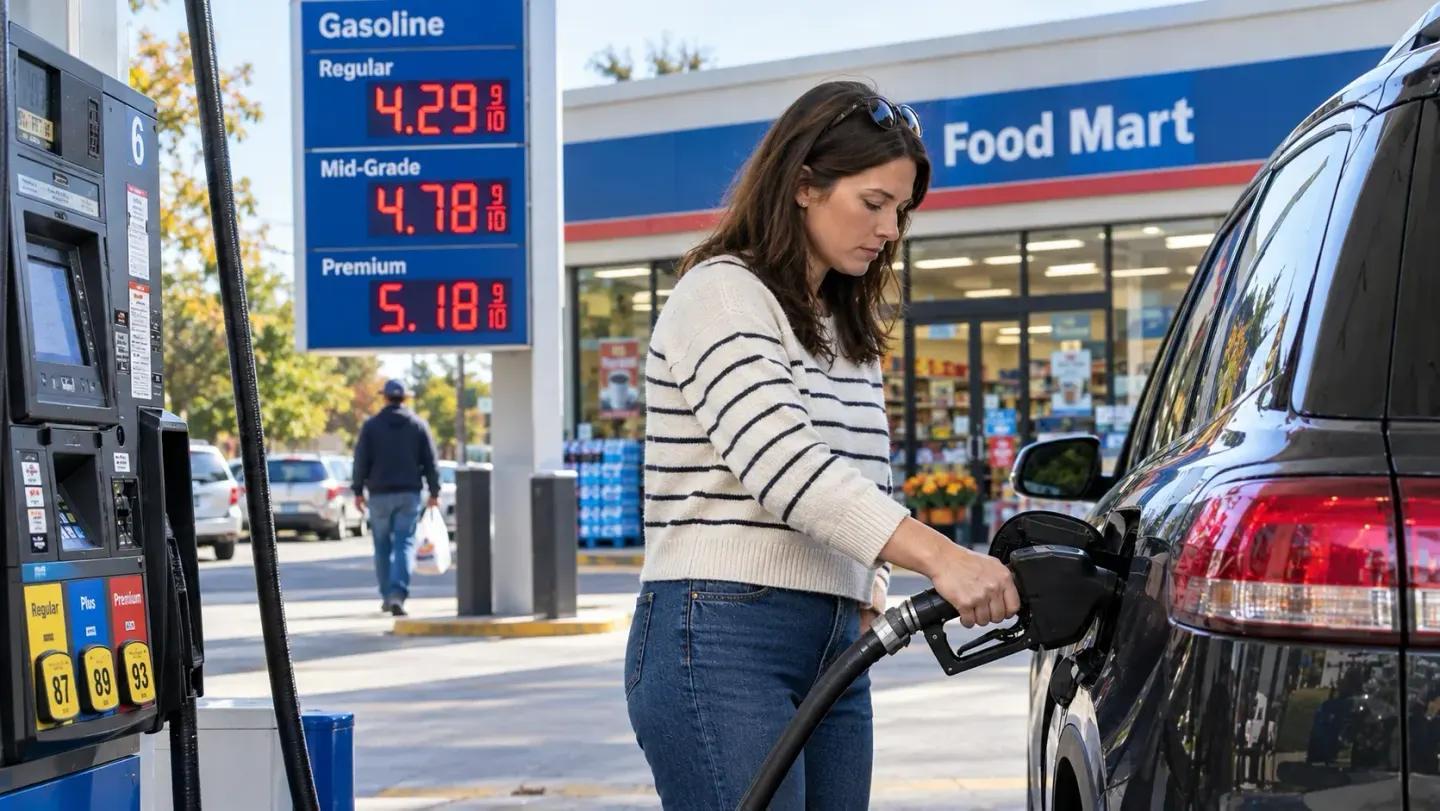
US consumers continued to demonstrate resilience in September despite a significant increase in gasoline prices, with retail sales rising more than expected as steady employment and historically high wages helped support household spending.
Retail sales increased by 0.8% in September, following a revised 1.3% gain in August, according to figures discussed in a CNBC Your Money Minute report dated October 26, 2026. The stronger-than-expected performance suggests that American consumers are continuing to spend despite growing pressure on household budgets from higher fuel costs.
Bill Simon, former president of Walmart's US operations, said consumer spending has remained strong for an extended period, supported by the underlying strength of the US economy. He pointed to relatively high employment levels and historically elevated wage rates as important factors allowing households to maintain their purchasing power.
According to Simon, consumers who have jobs and income are generally continuing to spend, helping sustain demand across the retail sector. This resilience has provided support for economic activity even as rising gasoline prices leave households with less money available for other purchases.
Underlying retail demand also remained positive after excluding more volatile spending categories, including gasoline, automobiles and restaurants. Retail sales excluding these categories increased by 0.4% in September, indicating that demand for everyday goods continues to expand at a reasonable pace.
However, the headline figures do not mean that higher fuel prices are having no effect on consumers. Households are increasingly required to allocate more of their budgets to filling their vehicles, potentially leaving less money for nonessential purchases.
The CNBC report noted that consumers have already begun cutting back on some discretionary categories, including recreation, to manage the additional cost of gasoline. Such adjustments suggest that while household spending remains strong overall, higher living expenses are influencing purchasing decisions.
Gasoline prices can have a broad impact on consumer finances because fuel is an essential expense for many households. When prices rise, consumers may reduce spending on entertainment, leisure activities and other optional purchases to compensate. If fuel costs continue increasing, these trade-offs could become more pronounced.
The September retail sales figures nevertheless indicate that the US consumer sector has maintained considerable momentum. Continued employment and wage income have helped households absorb higher costs without immediately reducing overall spending significantly.
The key question is how long this resilience can continue if gasoline prices remain elevated. Sustained increases at the pump could place additional pressure on lower- and middle-income households, particularly those whose earnings are not keeping pace with living costs.
For retailers, strong consumer spending is an encouraging sign heading into the final months of the year. However, any prolonged increase in fuel prices could change spending patterns, especially in discretionary categories that consumers can more easily postpone or reduce.
Overall, September's retail sales growth points to continued strength in US consumer demand, even as higher gasoline prices create financial challenges. The coming months will reveal whether strong employment and wage income can continue to support spending or whether rising fuel costs will lead to more widespread consumer belt-tightening.




Comments
A free account lets you join the discussion.
Loading comments…