


US intelligence warnings that Iran has substantially increased efforts to target American personnel in the Middle East have raised fresh security concerns as President Donald Trump weighs whether to pursue a diplomatic agreement with Tehran or resume military action.
The warning comes amid escalating tensions between Washington and Tehran over the strategically important Strait of Hormuz, with both sides asserting control over the vital shipping route. Iran has reportedly vowed to prevent US ships from entering the Persian Gulf, while Trump has claimed that Washington holds the strategic advantage.
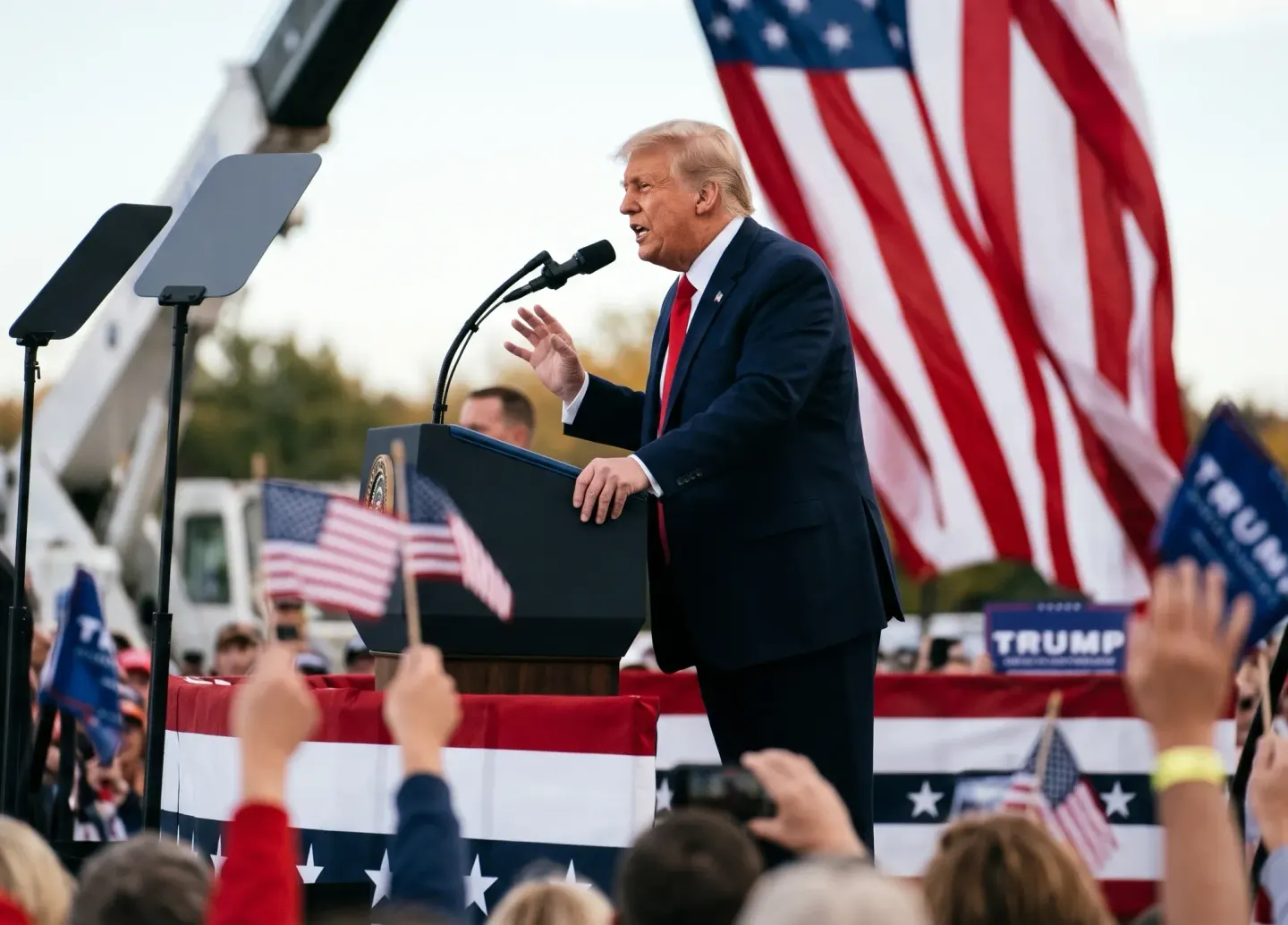
Speaking in remarks highlighted by Fox News, Trump said he was weighing whether to reach a deal with Iran or take further military action, emphasizing the damage already inflicted on the country. His comments have renewed questions about the future of the US-Iran conflict and whether diplomatic negotiations can prevent another escalation.
The intelligence warning has also raised concerns about potential threats to US military personnel, diplomatic facilities, and other American interests across the region. However, the specific details of the classified intelligence assessment have not been made public, leaving uncertainty over the nature, locations, and methods of the potential threats.
During the Fox News discussion, commentators questioned whether Iran's reported activities could involve military operations, regional proxy groups, terrorist cells, or missile and drone attacks. They also raised concerns about possible threats to softer targets, although the broadcast did not provide evidence confirming a specific operational plan.
Economic pressure is another major factor in Washington's strategy toward Tehran. The discussion highlighted claims that sanctions and restrictions on Iranian oil shipments have severely affected the country's economy, with inflation reportedly approaching 90%. These figures were cited during the broadcast and were not independently verified in the segment.
US officials and commentators have suggested that continued economic pressure could weaken Tehran's negotiating position without requiring an immediate return to large-scale military operations. Trump has indicated that any potential agreement would have to meet Washington's demands, while the possibility of renewed strikes remains unresolved.
The debate comes as uncertainty continues over the future of the Strait of Hormuz, a critical route for global oil shipments. Any further disruption to shipping through the waterway could have significant consequences for international energy markets and regional security.
For now, the reported intelligence warning underscores the continuing risks facing American personnel in the Middle East. Whether Washington chooses further negotiations, sustained economic pressure, or renewed military action will be crucial in determining the next phase of the confrontation with Iran.


Comments
A free account lets you join the discussion.
Loading comments…