

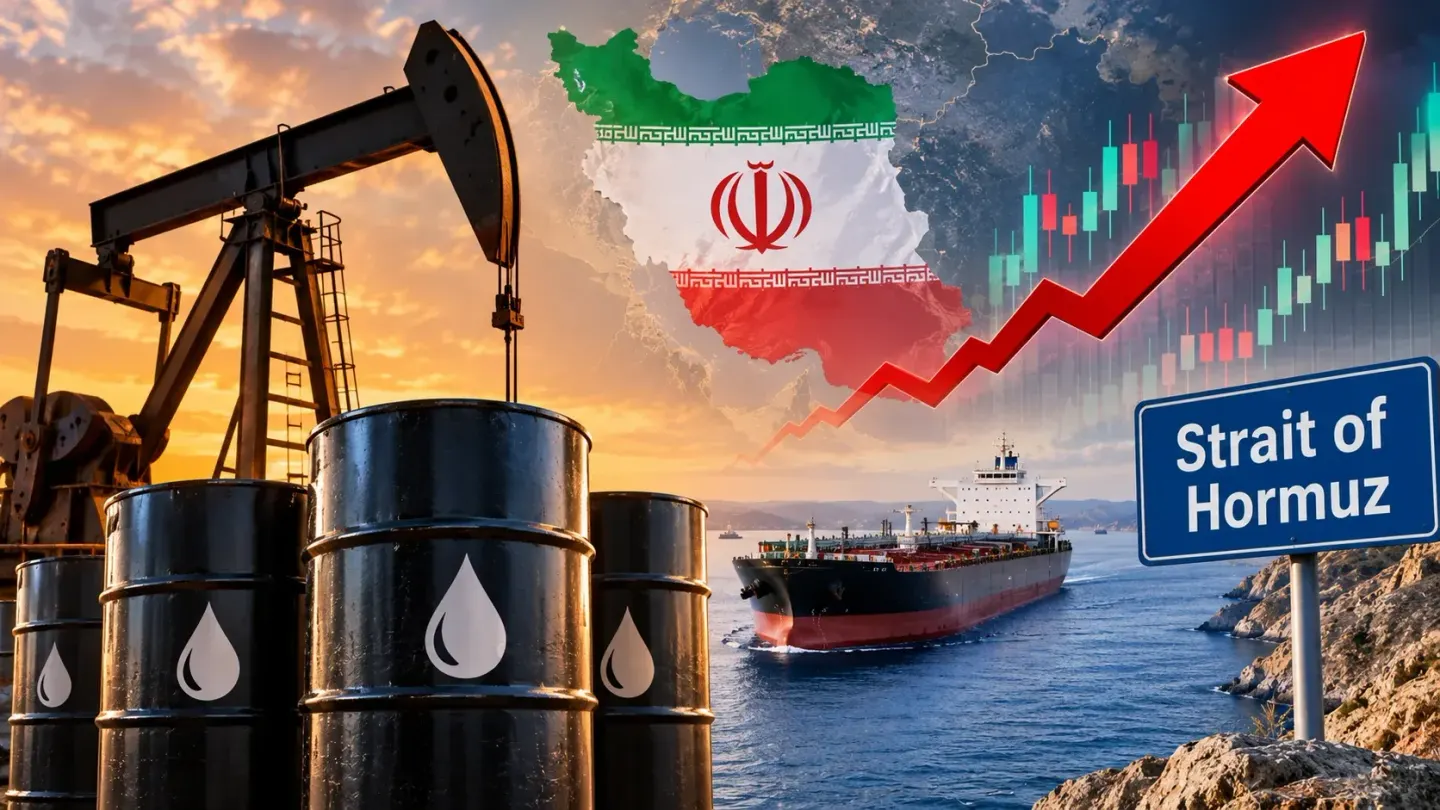
Oil markets are experiencing heightened uncertainty as traders prepare for potential escalation in the Middle East following the upcoming US midterm elections. Crude prices are heading toward their fourth consecutive monthly gain, with geopolitical tensions, disruptions to energy supplies and concerns surrounding the Strait of Hormuz continuing to influence market sentiment.
The latest concerns emerged after a tanker was reportedly struck by explosive devices attached to a small boat in the Strait of Hormuz on Friday morning. The incident has intensified concerns about the security of one of the world's most important oil transportation routes, particularly as diplomatic efforts continue to resolve the conflict involving the United States and Iran.
Qatari mediators are currently engaged in diplomatic discussions in Tehran, attempting to find a path toward reducing tensions. However, oil traders remain cautious about the possibility that the United States could resume military attacks on Iran following Tuesday's midterm elections.
According to Naveen Das, an oil analyst at Kepler, market participants have become increasingly familiar with the pattern of developments throughout the conflict. Rather than reacting impulsively to every geopolitical announcement, traders are adjusting their positions in anticipation of potential developments.
Das explained that market positioning has increasingly shifted toward longer positions, reflecting expectations of higher oil prices and the possibility of further disruption. Following the initial five weeks of the conflict, the US midterm elections have emerged as an important date for investors assessing what could happen next.
The uncertainty surrounding the political and military situation has encouraged traders to position themselves ahead of a potential turning point, while waiting for greater clarity about the direction of the conflict.
Meanwhile, economic pressure on Iran appears to be influencing diplomatic negotiations. According to Das, Iranian oil exports outside the blockade zone have effectively fallen to zero, significantly restricting the country's ability to generate revenue from international energy markets.
He suggested that the restrictions are putting considerable financial pressure on Tehran and could be encouraging Iranian officials to return to negotiations.
Another important development is the reported urgency surrounding Iran's proposals to reopen the Strait of Hormuz. Some proposals reportedly involve restoring access within five to seven days, a shorter timeframe than previously discussed.
This urgency could indicate that Iran is increasingly concerned about restoring oil exports and bringing much-needed revenue back into its economy.
The uncertainty surrounding Middle Eastern oil supplies is also placing additional pressure on OPEC+ producers. Despite production targets established by the group, actual output remains significantly below the levels member countries would ideally like to achieve.
Oil facilities across the Gulf suffered damage earlier in the year, limiting production capacity and complicating efforts to meet established quotas.
However, Das highlighted that OPEC+ continues to signal its ability to supply additional oil to global markets. If the conflict moves toward a sustainable resolution following the US midterm elections, Middle Eastern producers could gradually restore production and increase exports.
This possibility is particularly important for the outlook for 2027, when a larger supply of Middle Eastern crude could potentially enter international markets.
Nevertheless, a rapid production increase is unlikely to be the preferred strategy for oil-producing countries. According to Das, producers would need greater confidence that the conflict has ended or that a lasting agreement has established sufficient security guarantees before significantly expanding output.
Even after conditions improve, oil-producing countries are expected to take a measured and phased approach to restoring production.
One major concern is the possibility of triggering an oil price war. Governments and energy producers have already experienced financial pressure this year because of reduced production and disrupted exports. A sudden increase in global supply could push crude prices sharply lower, potentially creating further budgetary challenges even as production volumes recover.
As a result, OPEC+ members are likely to prioritize a controlled return of production rather than immediately releasing all available supply into the market.
At the same time, elevated oil prices are generating substantial profits for major international energy companies. Shell, TotalEnergies and ExxonMobil have all reported strong earnings, benefiting from higher energy prices and changing market conditions.
However, these increased profits do not necessarily mean that oil companies will immediately launch major new drilling or refining projects.
Das said investment decisions will depend heavily on the region and the potential returns available. Energy companies are increasingly looking for opportunities that can deliver strong financial returns within relatively short periods.
The United States provides an example of this approach, where oil producers have maintained financial discipline while still achieving production growth through improved operational efficiency.
Major energy companies are therefore expected to assess investment opportunities carefully, particularly in regions where geopolitical uncertainty makes long-term commitments more difficult.
A more stable post-conflict environment could encourage additional investment in drilling, production and refining capacity, but companies are likely to remain cautious until the outlook becomes clearer.
For global energy markets, the coming weeks could prove particularly important. The outcome of diplomatic efforts, developments surrounding the Strait of Hormuz and the possibility of renewed US military action against Iran will all influence oil prices and supply expectations.
While traders are currently positioning for continued uncertainty, the possibility of a diplomatic breakthrough could eventually shift market sentiment in the opposite direction.
The central challenge for oil markets is balancing immediate geopolitical risks against the prospect of increased production in the future. With OPEC+ output still below targets and major energy companies benefiting from higher prices, the direction of the Middle East conflict could have significant implications for global crude markets throughout 2027.




टिप्पणियाँ
मुफ़्त खाता बनाकर चर्चा में शामिल हों।
टिप्पणियाँ लोड हो रही हैं…