

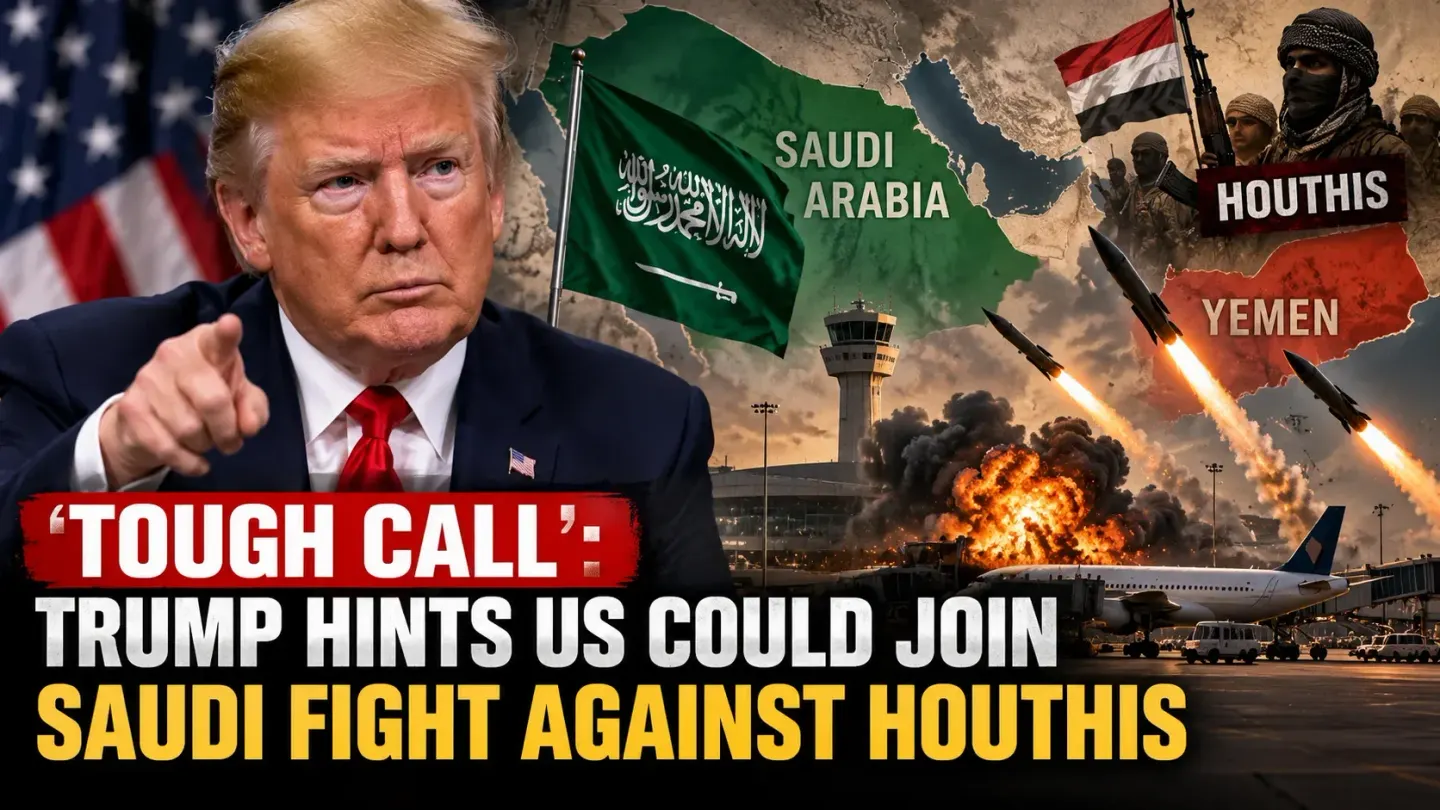
Trump Hints US Could Join Saudi Arabia in Fight Against Houthis Amid Rising Tensions
US President Donald Trump has hinted that the United States could consider joining Saudi Arabia's military campaign against Yemen's Houthi movement, as concerns grow over reported attacks on Saudi airports and regional security.
Former US Defense Secretary Mark Esper has warned that direct American involvement could draw Washington into another prolonged conflict in the Middle East.
Trump Says US May Join Saudi Strikes Against Houthis
President Donald Trump has indicated that the United States may consider participating in Saudi Arabia's military operations against the Houthis in Yemen. Asked whether Washington would join the Saudi strikes, Trump responded that his administration would examine the situation and that US involvement remained a possibility.
The remarks come amid escalating regional tensions and concerns about attacks targeting civilian infrastructure. The potential decision presents a difficult choice for the Trump administration, which must weigh its security commitments to Saudi Arabia against the risks of becoming involved in another military conflict.
Although Trump has not announced a final decision, his comments suggest that the possibility of direct US involvement remains under consideration.
Reported Houthi Attacks Raise Concerns Over Saudi Airport Security
The discussion follows reports of deadly attacks targeting Riyadh's airport, raising concerns about civilian safety and aviation security in Saudi Arabia.
According to the supplied broadcast transcript, the reported strikes caused fatalities and numerous injuries. The transcript also describes a subsequent attack that allegedly killed another person.
These claims require independent confirmation from reliable news organizations and official authorities before publication as established facts.
Attacks targeting airports can have consequences beyond immediate casualties. They can disrupt commercial aviation, affect international travel and undermine confidence in a country's transportation infrastructure.
The possibility of further attacks has also raised concerns about the safety of international airlines operating in or near Saudi airspace.
US Faces Difficult Decision Over Military Intervention
Former Defense Secretary Mark Esper described the possibility of direct American involvement as a difficult decision. He said Saudi Arabia had sought US assistance and that Washington was already providing intelligence support.
However, Esper cautioned that joining the conflict could expose American forces to a prolonged and complicated military engagement.
The Houthis have fought Saudi-led forces in Yemen for years, and the conflict has demonstrated the challenges of achieving lasting security through military operations alone.
For Washington, the decision involves balancing several competing priorities, including protecting regional partners, safeguarding American personnel and avoiding an open-ended military commitment.
Why the Houthis Are Targeting Saudi Arabia?
The Houthis are an armed movement based in Yemen that has fought the internationally recognized Yemeni government and intervened in the wider regional conflict.
Saudi Arabia has played a major role in the Yemen conflict, including leading a military coalition that intervened in 2015.
The movement's attacks and threats against regional targets have raised concerns about the security of critical infrastructure and commercial transportation.
Esper also linked the broader confrontation to Iran, arguing that Tehran provides support to the Houthis. Iran's relationship with the movement is an important element of regional security discussions, although the extent of Iranian involvement in any specific attack requires evidence.
The conflict also intersects with wider tensions involving Israel, Hezbollah in Lebanon and armed groups operating in Iraq.
Houthi Warning Could Affect International Airlines
The broadcast transcript includes a warning attributed to the Houthis urging international companies, workers and travelers to avoid flights to Saudi airports, while identifying Mecca and Medina as exceptions.
If verified, such a warning could increase concerns among airlines, passengers and aviation authorities.
Airlines assess several factors when deciding whether to operate through potentially dangerous airspace, including official aviation advisories, missile threats, insurance costs and the availability of alternative routes.
Any claim that the US Federal Aviation Administration has issued a specific warning about Saudi airspace should be checked against the agency's official notices before being presented as confirmed information.
Disruptions to aviation could also affect tourism, business travel, international conferences and Saudi Arabia's broader economic activities.
Could Further Attacks Push Trump Toward Military Action?
The potential for additional civilian casualties could increase pressure on the Trump administration to respond. Esper suggested that American casualties would be a particularly significant factor in the president's calculations.
However, military intervention would carry considerable risks. Direct US participation could lead to retaliatory attacks, expand the geographical scope of the conflict and expose American personnel and regional partners to further threats.
The administration would also need to consider its military objectives, the resources required to achieve them and the possibility that an initial operation could develop into a longer campaign.
A response could take different forms, ranging from additional intelligence and defensive assistance to direct military strikes. Trump's comments do not establish which option, if any, his administration will pursue.
Iran, Regional Security and the Wider Middle East Conflict
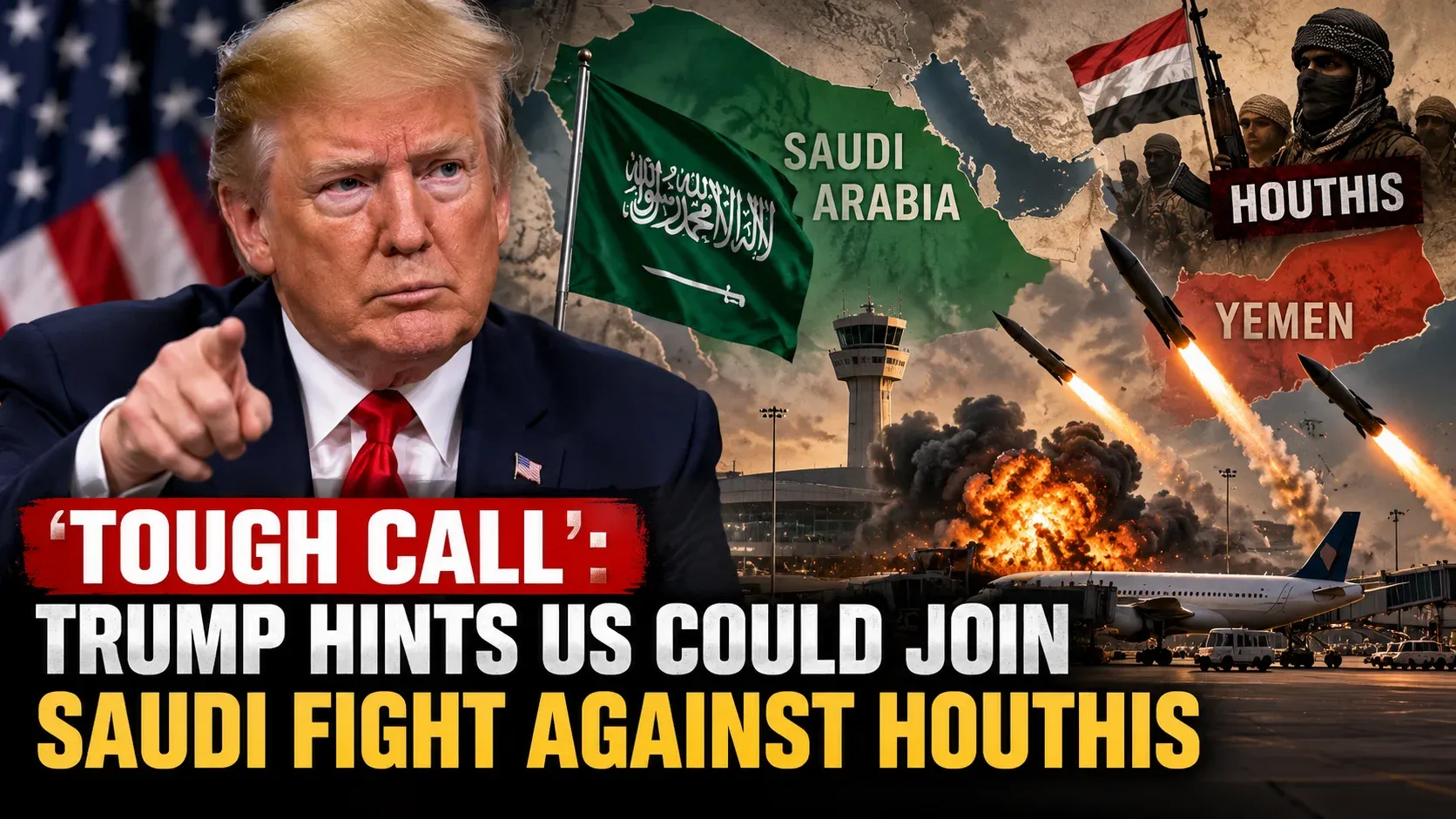
The confrontation involving Saudi Arabia and the Houthis is part of a broader regional security environment shaped by tensions between Iran, the United States, Israel and several armed groups across the Middle East.
Esper argued that the conflicts are interconnected and warned that developments involving Hezbollah and Iraqi militias could influence the wider security situation.
Any expansion of hostilities could affect maritime security, regional trade, energy markets and international aviation.
The Strait of Hormuz is particularly important to global energy transportation. However, claims about a blockade or the status of shipping routes should be assessed using current, independently verified reporting.
What Happens Next?
Trump has not confirmed whether the United States will join Saudi Arabia in military operations against the Houthis. His comments indicate that the administration is considering its options while facing competing security and political pressures.
The next developments will depend on the credibility of reported threats, the security situation in Saudi Arabia, requests for American assistance and Washington's assessment of the risks of escalation.
For now, the prospect of direct US military involvement remains uncertain. Any decision could have significant consequences for Saudi security, American foreign policy and the wider Middle East.




تبصرے
مفت اکاؤنٹ بنا کر بحث میں شامل ہوں۔
تبصرے لوڈ ہو رہے ہیں…