

As the final countdown to Election Day begins, political candidates across the United States are scrambling to drive their core messages home to voters. Democrats are pushing hard with hopes of securing control of both the House of Representatives and the Senate, while Republicans face flashing warning signs in key battlegrounds—including Texas, where GOP leaders warn of potential losses in high-stakes Senate and statewide contests.
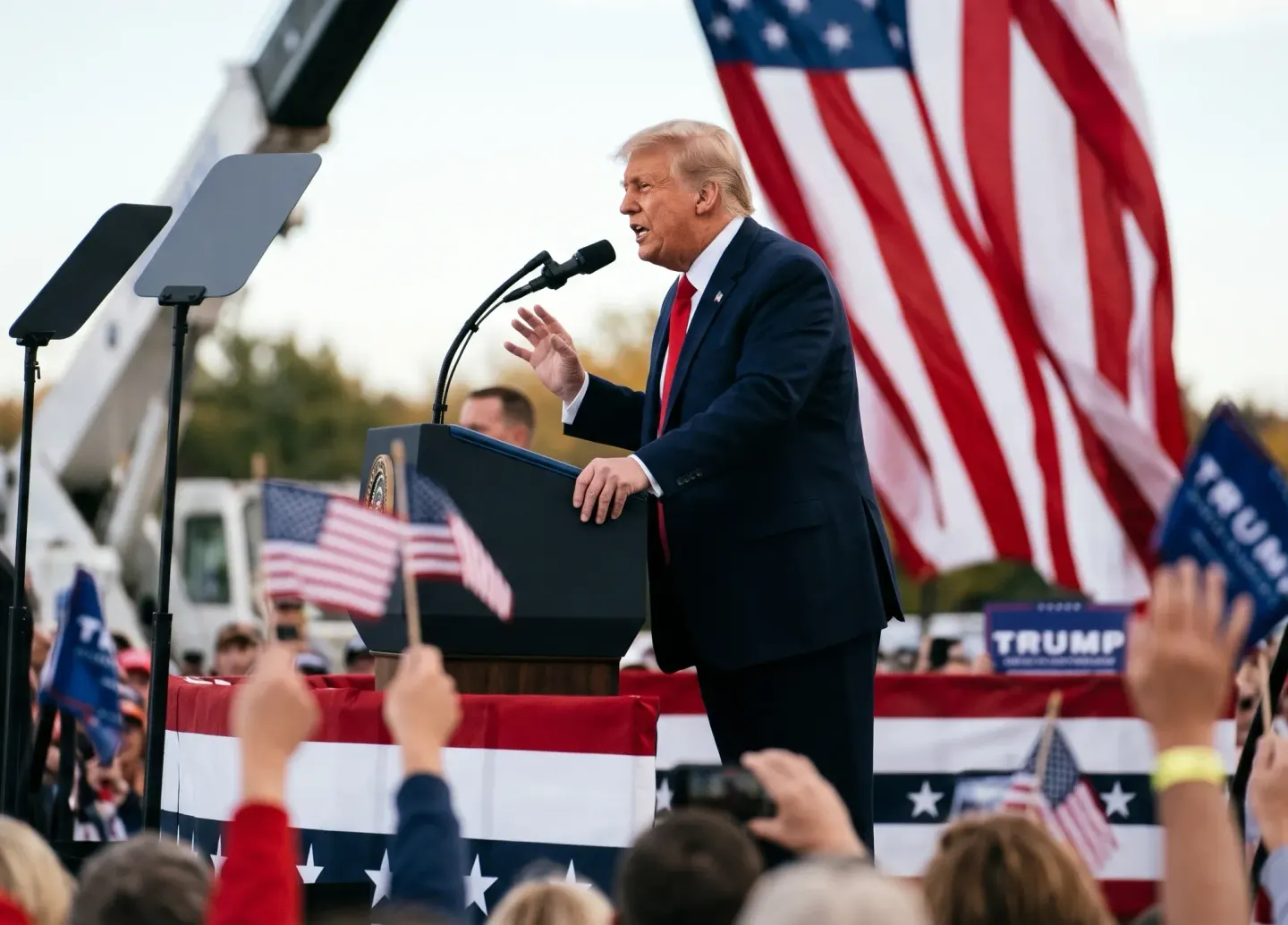
President Donald Trump took his campaign blitz to Daytona, Florida, urging supporters to turn out at the polls to secure a decisive victory. Since Labor Day, the president has headlined over 30 campaign rallies as part of an aggressive nationwide circuit. However, his late-stage travel schedule saw a sudden shift regarding planned stops in Iowa and Kansas.
Trump had originally canceled his scheduled appearances in both Iowa and Kansas, despite both states featuring razor-thin races for governor and senator rated as toss-ups. Defending his initial decision to reporters, Trump remarked that he simply did not feel the need to travel to Kansas because he believed conservative candidates were already performing well. By yesterday, however, Trump reversed course on those cancellations, citing feedback from advisors who persuaded him that holding live, in-person rallies would carry significantly more impact than tele-rallies.
Meanwhile, fallout continues over an explosive New York Times report out of Alaska alleging that Democratic candidate Mary Peltola’s campaign helped recruit a candidate who shares the exact name of Republican Senator Dan Sullivan. The strategy allegedly sought to place the namesake on Alaska's four-way ballot to peel off voters. Peltola has strongly denied any involvement, calling the claims a distraction and a smear campaign. Nevertheless, federal prosecutors announced that the FBI is surging law enforcement resources into an ongoing criminal investigation. Legal experts note that while propping up a spoiler candidate may be unseemly, proving criminal election interference requires meeting high legal standards.
These fiercely competitive contests across the nation have pushed campaign spending to unprecedented levels, with overall projections on track to top $11 billion. Yet for everyday voters, economic issues-particularly inflation, capital access, and household affordability—remain the primary drivers at the ballot box.
In Michigan, a rift has broken out among Democrats following a controversial ad created by supporters of Senate candidate Abdul El-Sayed. The advertisement features a couple stating they are struggling to afford basic household groceries like bananas and eggs because the United States continues to fund military aid to Israel. Representative Haley Stevens, who previously ran against El-Sayed in the primary, called on his campaign to publicly denounce the advertisement. In response, El-Sayed's campaign accused Stevens of attempting to relitigate a past primary and requested that she refrain from attending any of El-Sayed's campaign events during the final days leading up to the election.


टिप्पणियाँ
मुफ़्त खाता बनाकर चर्चा में शामिल हों।
टिप्पणियाँ लोड हो रही हैं…