

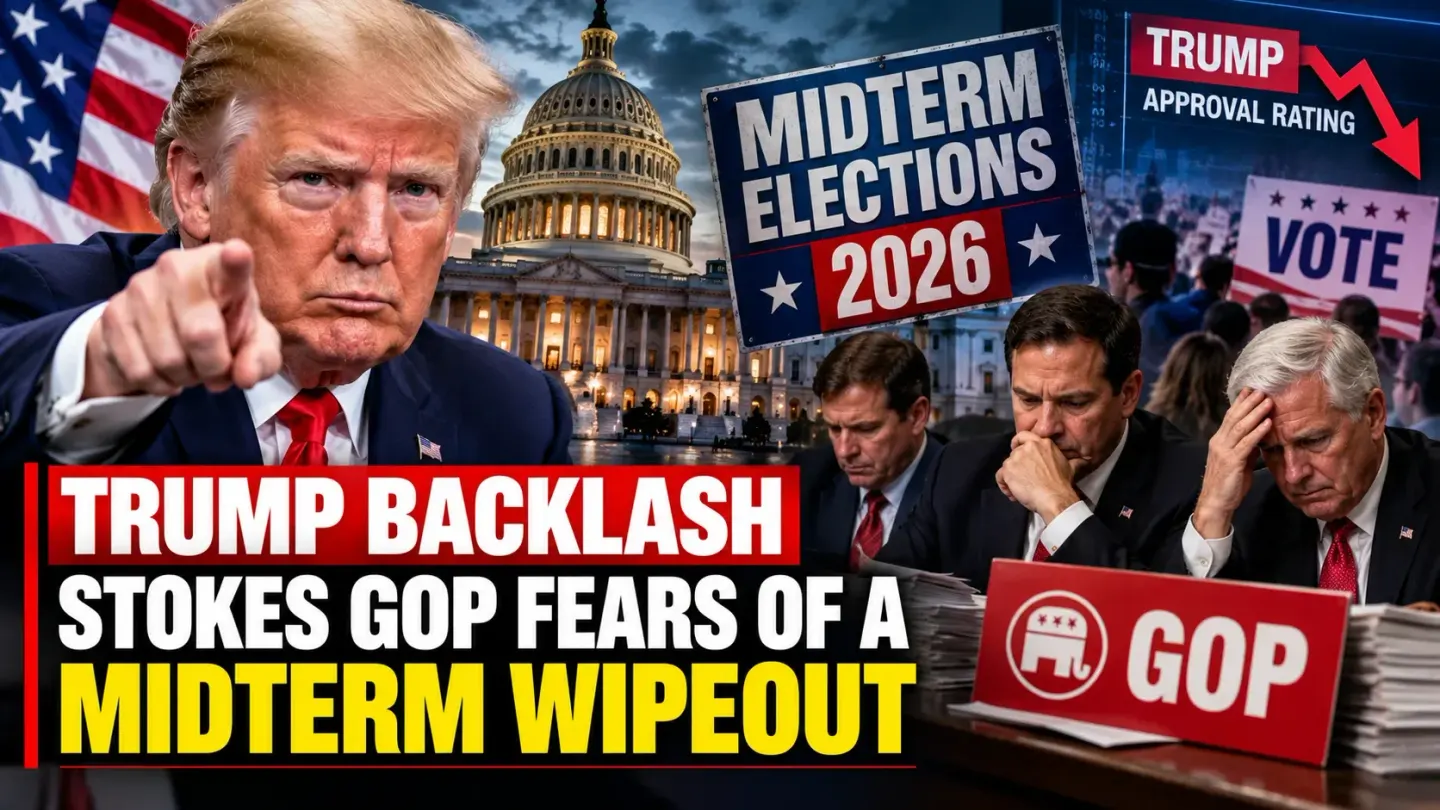
Trump Backlash Raises GOP Fears of Major Losses in 2026 Midterm Elections
Republicans are facing growing concerns about their prospects in the 2026 US midterm elections as President Donald Trump's declining popularity, rising living costs and international tensions put pressure on the party's campaign strategy. With control of Congress at stake, GOP leaders are reassessing campaign spending and debating whether Trump's appearances will help Republican candidates or create additional challenges.
Republicans Rethink Campaign Strategy Ahead of Midterms
According to CNN reporting published on October 12, 2026, Republican campaign officials are increasingly focused on defending vulnerable seats rather than expanding their electoral map.
The party has invested heavily in congressional races across the country, but concerns about the political environment have prompted campaign strategists to reconsider where additional resources should be spent.
The report describes Republican campaign spending being redirected away from some contests toward races viewed as more important to retaining control of Congress.
These decisions reflect the difficult choices facing party officials as they balance limited campaign resources with the need to defend seats in traditionally Republican states.
Trump’s Popularity Becomes a Concern for Republican Candidates
Some Republicans have reportedly expressed concern that Trump's current standing with voters could affect candidates running for reelection.
One Republican House candidate told CNN that Trump was dragging the party down, reflecting worries within parts of the party about the president's impact on congressional races.
Republican candidates previously sought Trump's participation in campaign events to mobilize supporters and attract attention. However, the latest reporting suggests that some are reconsidering whether his appearances will be beneficial in every competitive district.
Trump's influence remains an important factor in Republican politics, particularly among voters who strongly support his agenda. The challenge for candidates is determining whether his presence will encourage additional turnout or alienate voters who are dissatisfied with the administration.
High Gas and Grocery Prices Put Pressure on Republicans
Economic concerns are emerging as a central issue in the election campaign.
Higher gasoline prices and expensive groceries have added to voter concerns about household budgets. These pressures can influence how Americans assess the performance of the administration and the party controlling Congress.
Republican strategists are also contending with the political consequences of the ongoing conflict involving Iran, which the supplied report links to higher energy costs.
Trump has previously made promises about reducing fuel prices, but the pace and extent of any decline remain important questions for voters and businesses.
For Republican candidates, communicating a credible response to the cost of living may be crucial as they seek to retain support from independent voters and their existing electoral base.
Republican Campaign Spending Shifts Toward Vulnerable States
The CNN report describes campaign resources being moved between races as Republican strategists reassess their priorities.
It cites approximately $10 million in campaign funding being redirected in Kansas and $5 million in South Carolina, alongside changes involving North Carolina.
The report also highlights concerns about Texas, a state traditionally associated with Republican strength, where outside groups have invested heavily in supporting Republican candidates.
Such spending decisions illustrate how campaign organizations allocate resources when polling, fundraising and voter sentiment raise questions about which races are most competitive.
However, spending changes do not establish how an election will turn out. Candidate quality, voter turnout, campaign messaging and local issues can all influence the final result.
Trump’s Campaign Tour: An Opportunity or a Risk?
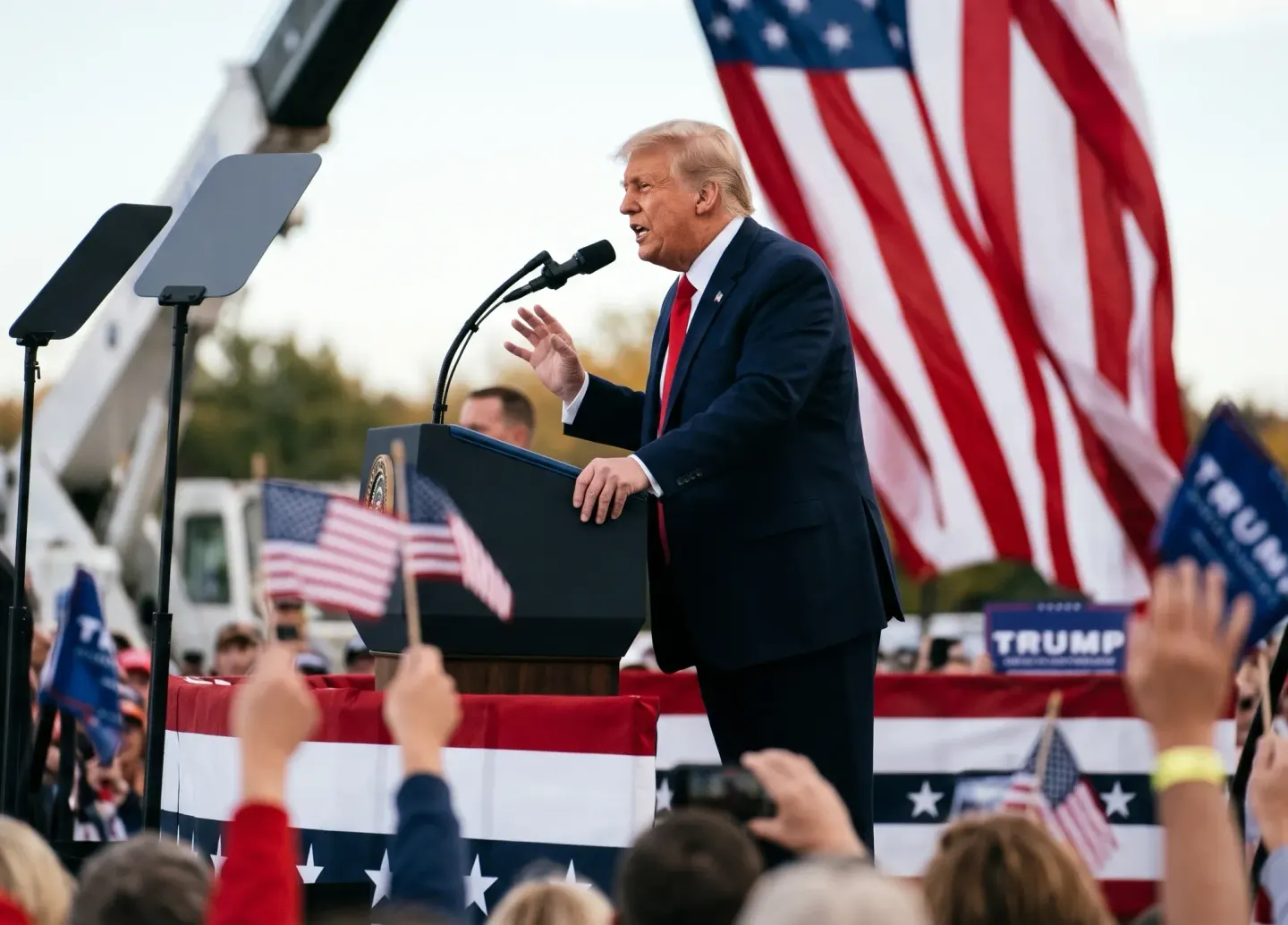
Trump has been travelling to states including Ohio, Montana, Alaska and Arizona to support Republican candidates.
His campaign appearances are intended to encourage supporters to participate in the elections and reinforce the administration's message.
For Republicans, the strategy presents competing possibilities. Trump's rallies could energize voters who might otherwise stay home, particularly supporters who are less likely to participate in midterm elections.
At the same time, his presence could make the election more directly about his presidency, potentially motivating voters who oppose his policies to participate.
The balance between these effects may vary by state and congressional district. A campaign appearance that benefits one candidate may not necessarily produce the same results for another.
Iran Conflict and Energy Prices Complicate the Campaign
The ongoing Iran conflict has added another challenge to the political environment described in the report.
Energy prices are particularly important because they affect household budgets, transportation businesses and agricultural producers.
Trump has discussed measures intended to ease diesel and fuel costs, while Ukrainian President Volodymyr Zelensky has disputed the suggestion that Ukrainian actions against Russian energy infrastructure were responsible for higher prices.
The debate illustrates the difficulty of separating domestic economic pressures from developments in international markets and geopolitical conflicts.
For Republicans, the immediate political question is whether voters will view the administration's response as sufficient to address their financial concerns.
Political Rhetoric Intensifies as Election Day Approaches
The supplied CNN transcript also describes increasingly confrontational rhetoric involving Democratic candidates and Republican officials.
Trump's remarks about Michigan Democratic candidate Abdul El-Sayed drew attention during campaign appearances, while Republican figures continued to debate how national political issues should feature in individual Senate races.
Such exchanges can increase media attention and energize partisan supporters, but they can also shift the campaign away from economic policy and other issues affecting voters.
The impact of this strategy will depend on how voters respond and whether candidates can maintain attention on the issues most relevant to their constituencies.
What Is at Stake in the 2026 Midterm Elections?
The US midterm elections are scheduled for November 3, 2026. Voters will decide all 435 seats in the House of Representatives and approximately one-third of the Senate. The results will determine which party controls each chamber of Congress for the next two years.
Republicans are seeking to defend their congressional position while Democrats are working to gain seats. The outcome will depend on races across multiple states, with campaign spending, candidate performance, national issues and voter turnout all playing important roles.
Although Republican concerns have intensified, the reporting does not establish that the party will suffer a major defeat. Polling and campaign conditions can change before Election Day, and individual races may respond differently to national political trends.
The latest reporting points to growing strategic concerns among Republicans as they prepare for the final weeks of the 2026 midterm campaign.
Trump's popularity, the cost of living, energy prices and international tensions are influencing decisions about campaign appearances and spending priorities.
The president's continued involvement could help mobilize core Republican supporters, but some party members are concerned about the potential effect on candidates in competitive races.
With control of Congress at stake, Republicans and Democrats will be focused on turnout, campaign messaging and the issues that matter most to voters as November 3 approaches.


टिप्पणियाँ
मुफ़्त खाता बनाकर चर्चा में शामिल हों।
टिप्पणियाँ लोड हो रही हैं…