

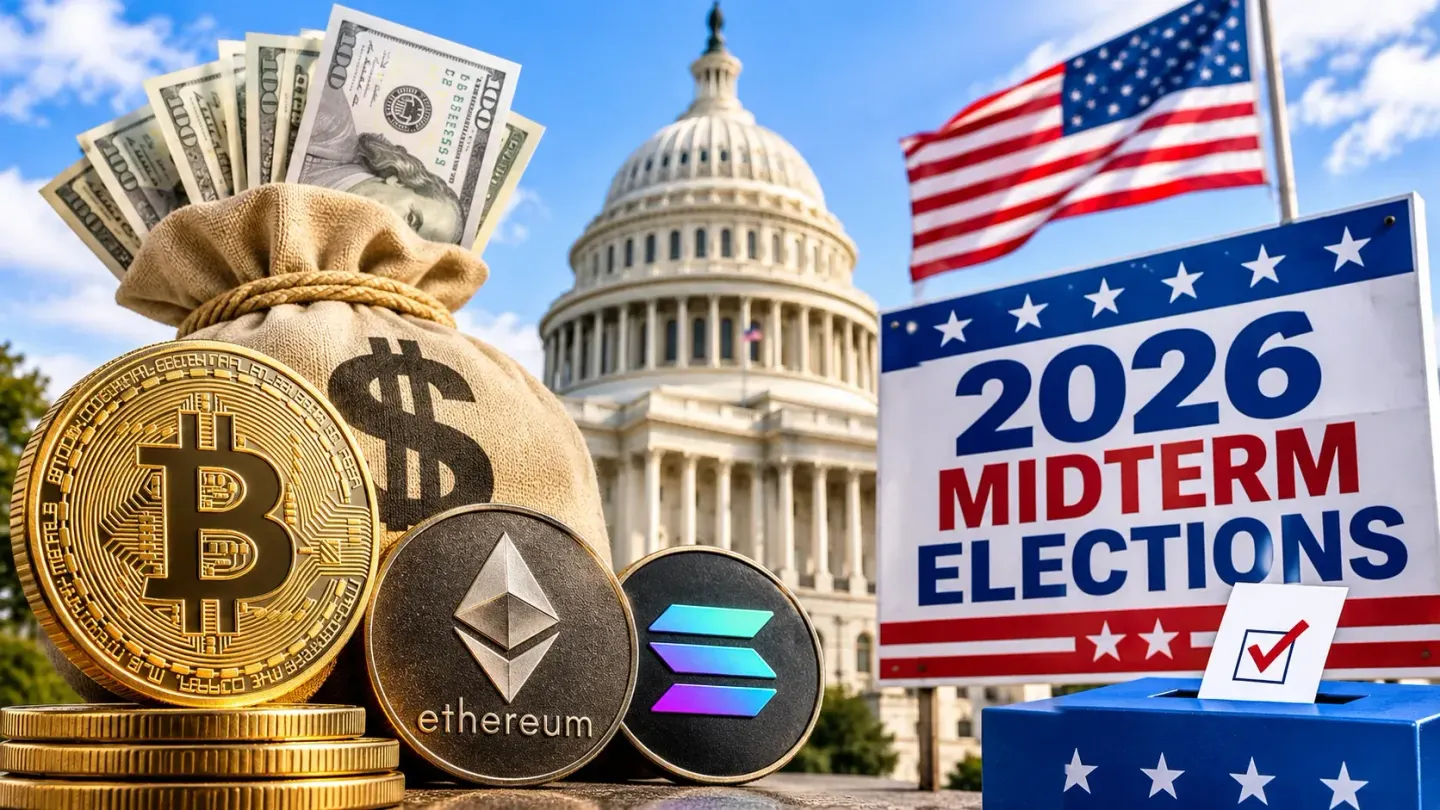
The cryptocurrency industry is pouring more than $206 million into the 2026 US midterm elections, making crypto-backed political action committees (PACs) some of the biggest financial players in the race for control of Congress. With Americans preparing to vote, the industry's massive spending campaign could play a significant role in shaping the country's future digital asset regulations and political landscape.
The latest spending push follows the 2024 elections, when cryptocurrency-related PACs invested approximately $250 million in supporting candidates viewed as favorable to the industry. One of the leading organizations, Fairshake, achieved a notable victory rate, with its preferred candidates winning 52 of the 57 races in which it spent money, representing a success rate of approximately 91%.
However, despite these political gains, the cryptocurrency industry has not secured all the legislative changes it initially sought. While Congress passed significant stablecoin legislation, a broader cryptocurrency market structure bill remains stalled in the Senate, leaving major questions about the future regulation of digital assets in the United States.
The industry's political influence increased significantly following the 2024 elections, which brought several crypto-friendly lawmakers into Congress. Among the notable political changes was the defeat of former Ohio Senator Sherrod Brown, a prominent cryptocurrency critic who previously chaired the Senate Banking Committee.
President Donald Trump also embraced the industry's agenda after taking office. In January 2025, he signed an executive order supporting the advancement of digital assets. Two months later, he established a strategic Bitcoin reserve and digital asset stockpile. In April 2025, he also signed a resolution overturning an IRS reporting rule targeting decentralized finance brokers.
Another major milestone came on July 18, 2025, when Trump signed the GENIUS Act into law, establishing a federal regulatory framework for payment stablecoins. The legislation represented a significant victory for the cryptocurrency sector and received bipartisan support in Congress.
Industry representatives consider the GENIUS Act an important step toward integrating digital assets into the traditional financial system. However, they argue that clearer regulations governing cryptocurrency trading, token issuance and market oversight are still necessary.
One of the industry's biggest disappointments has been the failure of the CLARITY Act to advance in the Senate. The proposed legislation was designed to establish comprehensive rules for digital asset markets, clarify regulatory responsibilities between the Securities and Exchange Commission (SEC) and the Commodity Futures Trading Commission (CFTC), and provide greater certainty for cryptocurrency businesses and investors.
Despite months of negotiations between Democrats and Republicans, the legislation failed to secure the required 60 votes on September 15. Concerns surrounding government ethics and potential conflicts of interest involving public officials became major obstacles to its progress.
Democratic lawmakers argued that the legislation did not adequately prevent senior government officials, including the president, from benefiting financially from cryptocurrency businesses. Financial disclosures and reports cited in the debate indicated that Trump and his family had earned more than $1 billion from crypto-related businesses and token sales over the preceding year.
Meanwhile, Coinbase has emerged as one of the industry's most influential political contributors. The company reportedly contributed approximately $79 million during the previous election cycle and donated another $25 million to Fairshake in 2025. Coinbase CEO Brian Armstrong has also been a prominent supporter of the organization's political activities.
Beyond financial contributions, Coinbase launched the advocacy organization Stand With Crypto in 2023. The group has endorsed 45 candidates in the 2026 election cycle, including 42 House candidates and three Senate candidates, while mobilizing supporters to encourage pro-cryptocurrency policies.
Fairshake and its affiliated PACs are also supporting 33 incumbent lawmakers, including 19 Republicans and 14 Democrats. The organization has committed at least $1 million each to six House candidates considered important to the industry's legislative priorities or involved in competitive congressional races.
Among the Republican lawmakers receiving support are Bryan Steil, French Hill and Bill Huizenga. Democratic candidates receiving financial backing include Janelle Bynum, Derek Tran and Steven Horsford.
The Ohio Senate race has become another major focus of cryptocurrency-backed political spending. Former Senator Sherrod Brown is seeking a return to the Senate against Republican candidate Jon Husted, who is viewed as supportive of cryptocurrency innovation.
Fairshake reportedly spent approximately $40 million opposing Brown in 2024. During the current election cycle, the organization has committed around $55 million toward efforts to prevent his return, highlighting the importance of the race to the cryptocurrency industry.
Nevertheless, cryptocurrency regulation is not the primary concern for many American voters. Economic uncertainty, affordability, rising costs and concerns about government corruption remain significant issues as the country approaches the midterm elections.
Public concerns about potential conflicts of interest involving political leaders and their personal business interests could also complicate efforts to pass further cryptocurrency legislation. The possibility of a change in congressional control may create additional challenges for the Trump administration and the industry's legislative agenda.
Following the CLARITY Act's failure, both the SEC and CFTC have moved forward with regulatory guidance explaining how digital assets should operate under existing US laws. However, industry representatives remain concerned that agency guidance could change depending on future political developments.
Cryptocurrency companies continue to push for permanent legislation that would provide regulatory certainty, encourage innovation and strengthen investor confidence. Supporters argue that digital assets could make financial transactions faster, cheaper and more accessible, benefiting individuals and businesses across the country.
As the 2026 midterm elections approach, the cryptocurrency industry's unprecedented political spending raises an important question: Can more than $206 million in campaign spending help secure the regulatory framework that digital asset companies have been seeking?
The election results could determine whether the industry gains additional support in Congress or faces renewed political resistance. Regardless of the outcome, cryptocurrency regulation is expected to remain an important issue in Washington as lawmakers, regulators and industry leaders continue debating the future of digital assets in the United States.




التعليقات
حساب مجاني يتيح لك المشاركة في النقاش.
جارٍ تحميل التعليقات…