

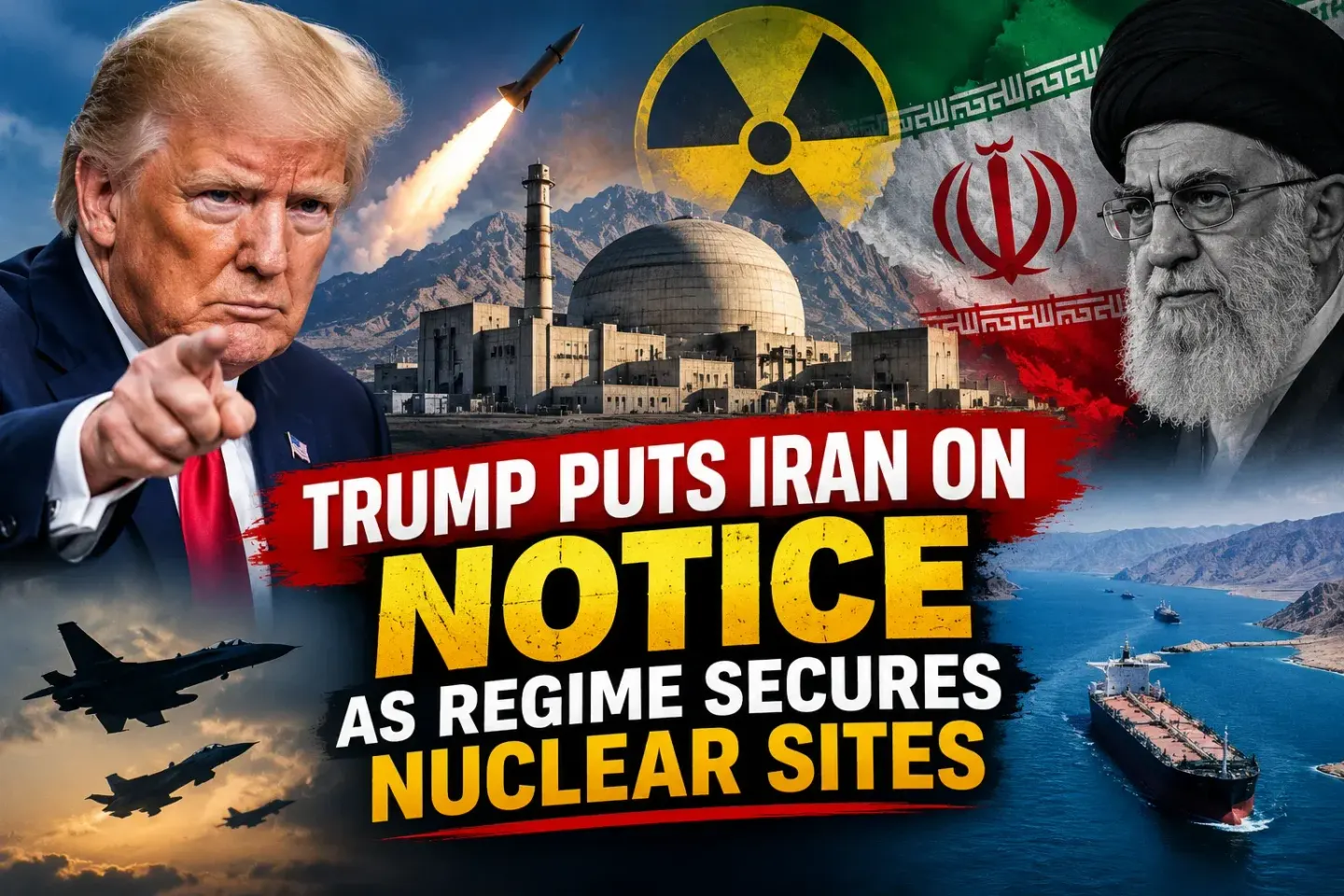
Trump Puts Iran on Notice as Tehran Strengthens Nuclear Sites Amid Fears of Renewed Conflict
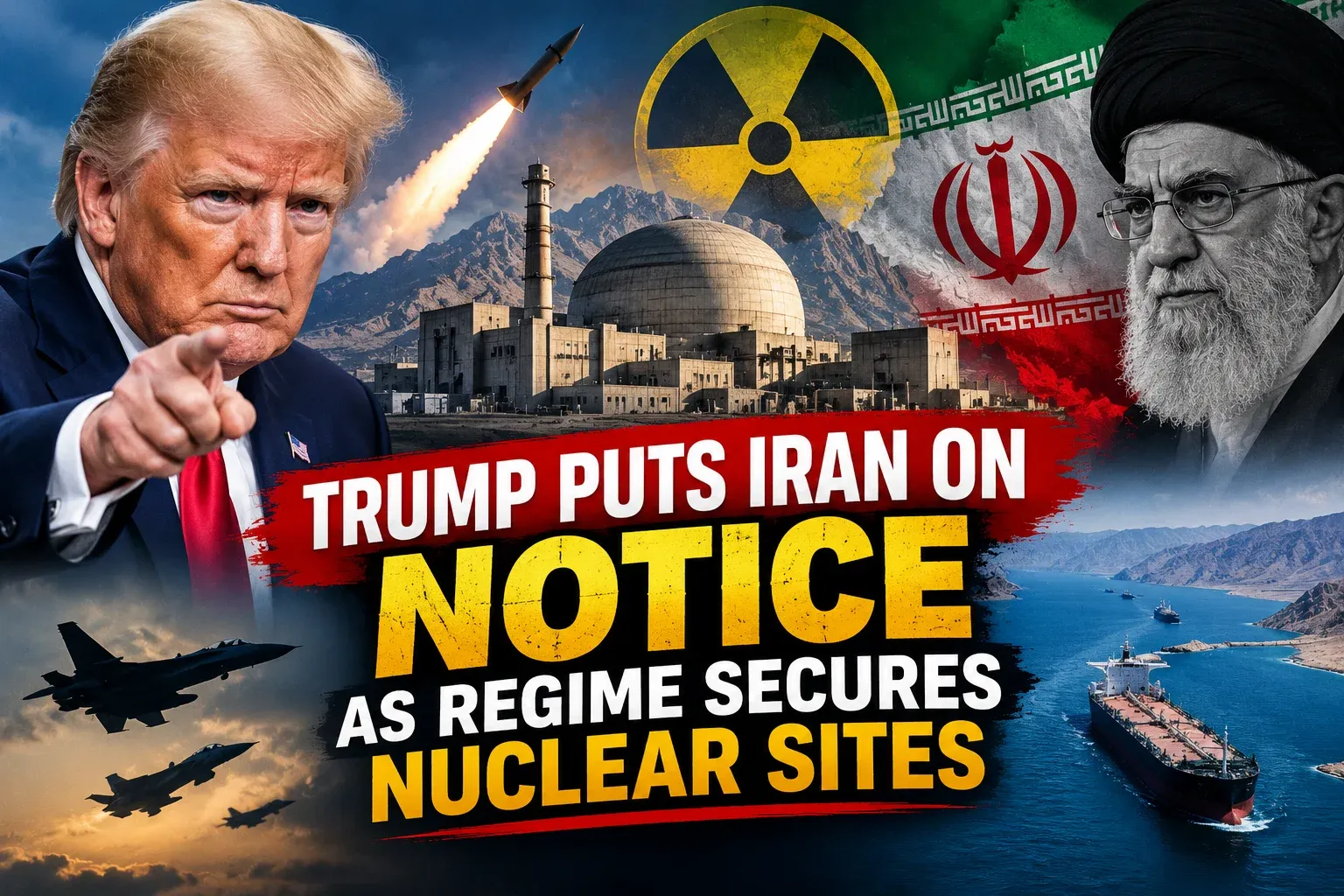
US President Donald Trump has issued a fresh warning to Iran, declaring that Tehran will not be allowed to develop nuclear weapons as reports indicate that Iran is strengthening its nuclear facilities and preparing for the possibility of renewed hostilities with the United States.
The warning comes amid escalating tensions across the Middle East, including continued security concerns involving Iran, Saudi Arabia, and the Houthi movement in Yemen. The developments have raised questions about the future of US-Iran relations, the security of nuclear facilities, and the potential economic consequences of another military confrontation.
During a televised discussion, retired Navy SEAL Mike Sarrelli assessed Iran's reported preparations, the possibility of future US military action, and the potential implications for regional security and American domestic politics.
Trump Warns Iran Over Its Nuclear Program
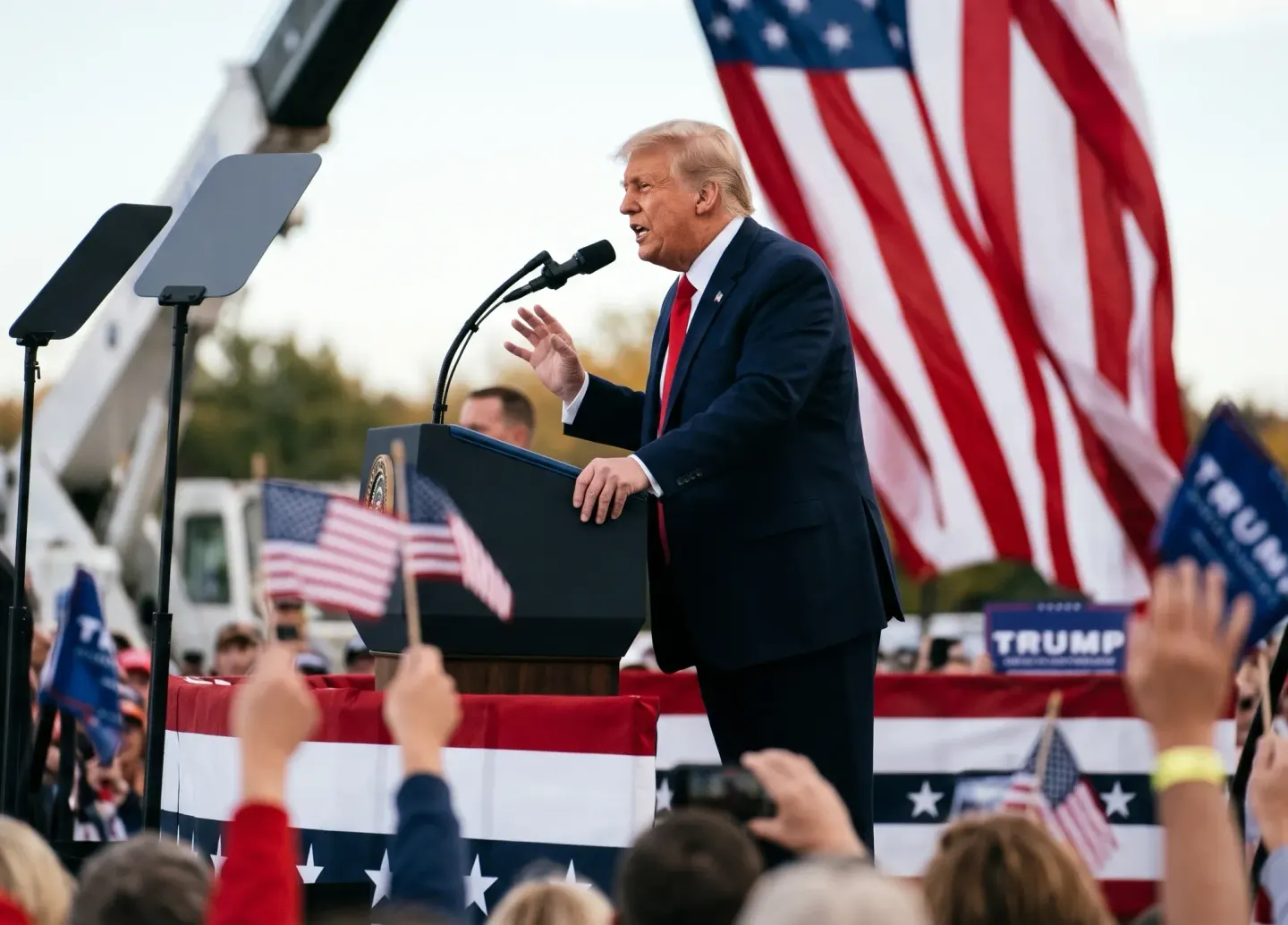
President Trump has reiterated his opposition to Iran acquiring nuclear weapons, warning that Washington could take further action if Tehran continues to pose a nuclear security threat.
Trump's remarks reflect the continuing dispute between Washington and Tehran over Iran's nuclear ambitions and the future of diplomatic negotiations.
Iran's nuclear program remains a central issue in the wider regional confrontation, with concerns surrounding uranium enrichment, the protection of nuclear infrastructure, and the possibility of military strikes against sensitive facilities.
The US administration's latest warning comes as reports suggest Iran is reinforcing key nuclear sites in anticipation of a possible return to hostilities.
Iran Reportedly Strengthening Nuclear Facilities
According to reporting discussed during the broadcast, Iran is strengthening nuclear facilities and rallying domestic support as the risk of renewed conflict increases.
Retired Navy SEAL Mike Sarrelli said Iran's efforts to fortify sensitive locations should be viewed in the context of both external military pressure and internal political challenges.
He argued that reinforcing nuclear infrastructure could help Tehran preserve strategic leverage in any future negotiations with Washington.
Iran's nuclear facilities have long been at the center of international concerns, particularly over the country's uranium enrichment activities and the possibility that its nuclear program could eventually support the development of nuclear weapons. Tehran has historically maintained that its nuclear activities are intended for peaceful purposes.
Any assessment of Iran's current preparations, however, depends on independently verified information about the condition and activities of individual facilities.
Could the United States Strike Iran's Natanz Nuclear Facility?
One of the key questions discussed during the broadcast was whether the United States could launch another attack against Iran's nuclear infrastructure.
Sarrelli identified the Natanz nuclear facility as a possible target in a future military operation, arguing that damage to Iran's nuclear capabilities could reduce Tehran's leverage in negotiations.
Natanz is one of Iran's most significant uranium enrichment facilities and has played a central role in the international dispute over the country's nuclear program.
Any decision to attack such a facility would carry substantial military and diplomatic risks. It could also trigger retaliation against US forces, regional allies, and strategic infrastructure across the Middle East.
The possibility of renewed strikes therefore remains a major concern for governments monitoring the conflict.
Strait of Hormuz Remains a Critical Security Concern
The Strait of Hormuz is another important factor in the escalating tensions between Iran and the United States.
The strategic waterway connects the Persian Gulf with the Gulf of Oman and serves as a vital route for international oil and energy shipments.
During the discussion, Sarrelli said maritime security conditions were showing improvement, with energy traffic reportedly increasing. However, he warned that Iran retains the ability to disrupt shipping through the strait.
Any significant interruption to maritime traffic could affect global energy supplies, increase transportation costs, and create uncertainty in international oil markets.
Because many countries depend on energy shipments passing through the region, developments in the Strait of Hormuz could have economic consequences far beyond the Middle East.
Iran Faces Domestic Pressure Amid Regional Tensions
Sarrelli also argued that Iran's leadership faces domestic political and economic challenges alongside external security threats.
He suggested that the authorities could use the prospect of foreign aggression to rally public support and shift attention away from economic difficulties and domestic opposition.
The strategy of emphasizing an external threat during a period of internal pressure has historically been used by governments facing political challenges. However, the specific motivations behind Iran's current actions cannot be established solely from the interview.
The country's internal political situation remains an important factor in understanding how Tehran may respond to international pressure and the possibility of renewed military confrontation.
UK and US Allies Could Play a Greater Role
The discussion also addressed the potential involvement of US allies in protecting regional security infrastructure and supporting Gulf partners.
The interview referenced allegations linking Iran's Islamic Revolutionary Guard Corps (IRGC) to an incident involving RAF Fairford, a British air base used by the US military. British and allied assessments of the incident could influence future security cooperation.
Greater participation by allied countries could involve defensive capabilities, maritime security operations, intelligence cooperation, and the protection of critical infrastructure.
Such involvement would not necessarily mean that every ally would participate directly in offensive military operations against Iran. The scope of any support would depend on individual government decisions and the circumstances of the conflict.
Potential Impact on US Midterm Elections and Fuel Prices
The possibility of another US military operation against Iran could also become a significant domestic political issue.
During the broadcast, Sarrelli noted that many Americans are concerned about the economic costs of war, particularly the potential impact on gasoline prices and household expenses.
A wider conflict could place additional pressure on energy markets if oil production or shipping routes were disrupted. Higher oil prices could translate into increased fuel and transportation costs, depending on market conditions and domestic pricing factors.
The political consequences would depend on the duration and cost of any military involvement, the security situation, and how voters ass
ess the administration's handling of the conflict.
What Happens Next in the US-Iran Conflict?
The immediate outlook remains uncertain as Washington maintains pressure on Tehran and reports continue to raise questions about Iran's nuclear facilities and regional military posture.
Possible developments include renewed diplomatic negotiations, additional security measures to protect maritime traffic, stronger coordination among US allies, or further military action.
A strike against Iran's nuclear infrastructure could significantly alter the course of the confrontation, but it could also produce retaliation and widen the conflict.
For now, Trump's warning underscores the continuing importance of Iran's nuclear program, the security of the Strait of Hormuz, and the broader struggle to prevent another major escalation in the Middle East.
The central question remains whether diplomatic pressure and security measures can prevent renewed hostilities—or whether tensions between Washington and Tehran will lead to another phase of military confrontation.


التعليقات
حساب مجاني يتيح لك المشاركة في النقاش.
جارٍ تحميل التعليقات…