


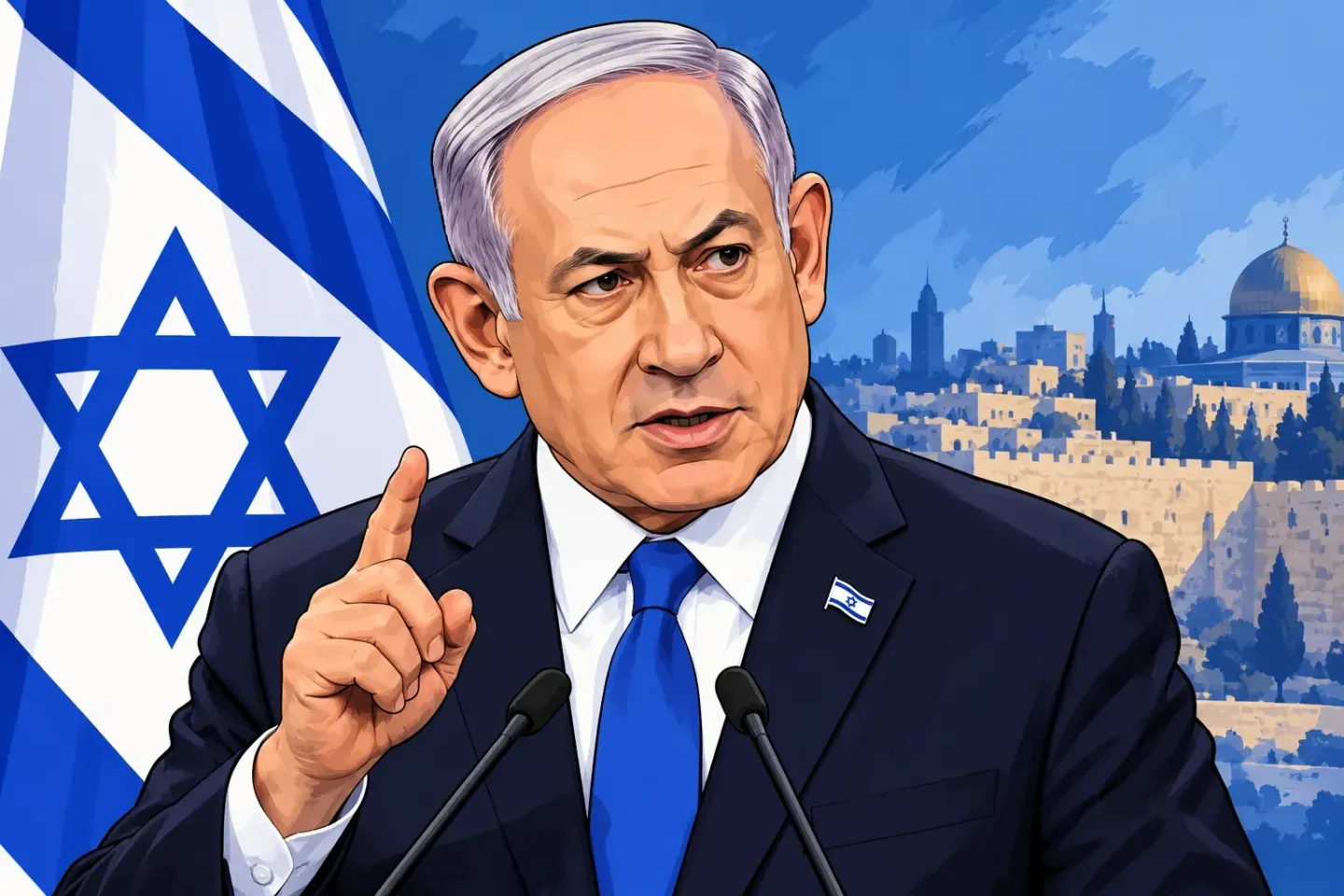
Israel’s parliamentary election ended with no clear winner, as early exit polls showed opposition parties gaining an advantage over Prime Minister Benjamin Netanyahu’s governing alliance. However, Netanyahu’s Likud party appeared to hold a narrow lead over the party led by former military chief Gadi Eisenkot, leaving the country facing uncertainty over who will form the next government.
The October 27 election is Israel’s first national vote since the Hamas-led October 7, 2023, attack and the war in Gaza that followed. More than 7.3 million people were eligible to vote, and turnout reached 74.3% by 8 p.m. local time, according to the Central Elections Committee — the highest level recorded for that time since 1988.
Despite strong voter participation, exit polls suggested that neither Netanyahu’s allies nor the opposition had secured the 61 seats needed for a majority in Israel’s 120-seat parliament, the Knesset. The final results could change the balance, and exit polls are not official results.
Eisenkot, who is seeking to replace Netanyahu, said the early figures showed a loss of confidence in the current government. Opposition leader Yair Lapid also described the results as a major setback for Netanyahu’s alliance. Officials from Netanyahu’s camp, however, warned that celebrations by the opposition were premature and stressed that Likud remained a leading political force.
Arab political parties could play a key role in deciding the next government. Early exit polls indicated a strong showing for two predominantly Arab parties, which could help the opposition secure a parliamentary majority. However, disagreements over whether and how to work with these parties could make coalition negotiations difficult.
Netanyahu’s leadership, Israel’s security policy, the war in Gaza, the country’s economy and relations with international partners were among the major issues shaping the election. The vote also reflected deep divisions over the government’s handling of the October 7 attack and the conflict that followed.
Israel’s election system means that winning the most seats does not automatically guarantee the premiership. After official results are confirmed, President Isaac Herzog is expected to invite a party leader to try to form a coalition. The process could take weeks, and if no leader can build a majority, further political uncertainty — or another election — could follow.
The final outcome will depend on the official vote count and the negotiations between parties. For now, Israel’s election has left Netanyahu’s political future uncertain, with opposition parties hoping to end his long period in power while his allies work to remain in government.



التعليقات
حساب مجاني يتيح لك المشاركة في النقاش.
جارٍ تحميل التعليقات…