


Iran Reportedly in ‘Advanced Stages’ of Plotting Attacks Against Americans, U.S. Intelligence Warns
The United States has received intelligence indicating that Iran has significantly increased efforts to target American personnel, with alleged plots against U.S. citizens reportedly reaching advanced stages in the Middle East and other countries. The warning comes amid escalating tensions between Washington and Tehran, heightened military activity across the region, and growing concerns about the possibility of renewed military strikes.
According to remarks cited in a televised report, the Director of National Intelligence warned that Iranian efforts to target U.S. personnel have intensified. The intelligence assessment reportedly described potentially lethal plotting efforts against American citizens as having reached advanced stages, raising fresh concerns about the security of U.S. personnel stationed overseas.
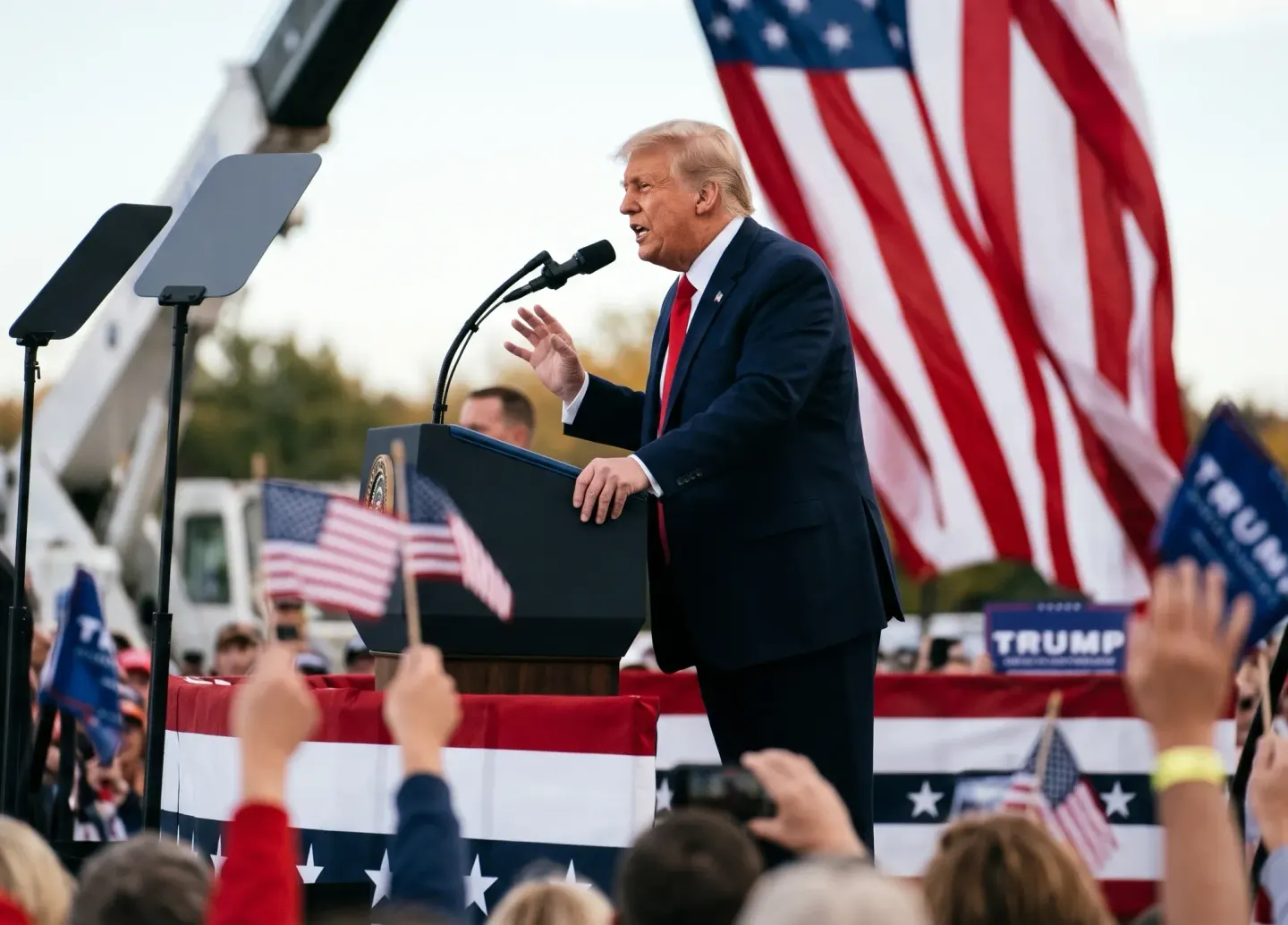
The warning comes as the Trump administration weighs its next steps in the confrontation with Iran. President Donald Trump indicated that the United States could resume military operations if Tehran does not agree to negotiations and meet Washington’s demands.
“We may do another little Epic Fury or they’ll agree,” Trump said, suggesting that further military action remains an option. He added that Iran should agree to negotiations rather than risk another escalation.
U.S. Reviews Embassy Security Across the Middle East
The intelligence warning coincides with heightened security measures at American diplomatic facilities across the region. According to the report, the U.S. State Department is evacuating a number of nonessential personnel from the U.S. Embassy in Saudi Arabia while reviewing staffing arrangements at other diplomatic missions in the Middle East.
The reported measures underscore Washington’s concerns about possible retaliatory attacks against American citizens, diplomats, and military personnel as tensions with Iran continue.
U.S. officials have not publicly detailed the specific alleged plots, their intended targets, or the countries in which the most advanced threats may be developing. The intelligence warning therefore highlights a serious security concern, but the available information does not independently establish that a particular attack is imminent.
For background on official U.S. foreign policy announcements, readers can consult the U.S. Department of State and the Office of the Director of National Intelligence.
Trump Weighs Possible Renewed Strikes Against Iran
President Trump’s latest comments come as his administration considers whether to restart military operations against Iran. The possibility of renewed strikes has raised questions about the future of diplomatic efforts and the risk of a wider regional conflict.
During the televised discussion, a commentator questioned whether Tehran would comply with Washington’s stated objectives, arguing that previous agreements had not been reliably honored. These remarks reflect the administration’s broader concerns about securing verifiable commitments from Iran, although claims of noncompliance and the status of specific agreements require assessment against the relevant documents and official statements.
Iran, meanwhile, has continued to signal its readiness to confront further military pressure. Any resumption of major combat operations could have implications for regional security, international shipping, energy markets, and the safety of U.S. forces and allied personnel.
Israel Raises Alert Levels Amid Election Security Concerns
Security concerns are also growing in Israel, where the military has reportedly been placed on high alert ahead of the country’s elections scheduled for Tuesday, according to the broadcast.
Israeli officials have expressed concern that Iran or groups aligned with Tehran could attempt attacks during the politically sensitive period. Israeli military representatives have said that the country's security forces are prepared to respond to potential threats.
The concerns come amid longstanding tensions between Israel and Iran, including the risk of attacks involving Iranian-aligned armed groups operating across the Middle East. Any escalation during an election period could create additional pressure on Israeli security agencies and regional partners.
However, the specific claims regarding potential election-related attacks have not been independently substantiated in the information provided.
Strait of Hormuz Remains a Strategic Flashpoint
Another significant development highlighted in the report was a visit to the Strait of Hormuz by U.S. Central Command chief Admiral Brad Cooper on October 25.
The visit came as U.S. forces reportedly reached a milestone involving support for Gulf partners and the movement of more than 1.5 billion barrels of crude oil since the summer. The report presented the visit as a strategic signal to Tehran regarding American operations in one of the world's most important energy-shipping corridors.
The Strait of Hormuz connects the Persian Gulf with the Gulf of Oman and serves as a critical route for international oil and gas shipments. Disruptions to maritime traffic in the waterway can affect energy supplies, shipping costs, and global oil prices.
According to the broadcast, Iranian forces continue to pose risks to vessels operating in the area, while U.S. forces have maintained operations intended to help Gulf partners move crude oil through the region. The precise operational details and the reported oil-export milestone should be verified against official military and energy-sector reporting.
For further background on maritime security and energy transportation, readers can consult U.S. Central Command, the U.S. Energy Information Administration, and the International Energy Agency.
U.S. and Israel Reportedly Discuss Future Military Options
The report also cited claims that the United States and Israel are mapping out plans for a possible resumption of major combat operations against Iran following the U.S. midterm elections.
The timing and details of any potential operation remain uncertain, and the reported planning has not been independently confirmed by the information available here. Nevertheless, the possibility of renewed strikes adds to concerns that the confrontation could expand beyond diplomatic pressure and limited military actions.
A new round of attacks could prompt retaliation against American personnel, Israeli targets, regional military installations, or commercial shipping. It could also increase uncertainty across global energy markets, particularly if tensions threaten the Strait of Hormuz.
What Happens Next?
The coming days could prove important for regional security as U.S. officials assess intelligence warnings, review diplomatic security arrangements, and consider their options toward Tehran. Israel is also monitoring possible threats amid heightened military readiness.
For now, the key questions concern the credibility and immediacy of the reported Iranian plots, whether Washington and Tehran can make progress toward negotiations, and whether the United States will authorize further military action.
Although the intelligence warning signals a potentially serious escalation, the publicly described information does not establish that an attack is inevitable. Developments involving official threat assessments, embassy security, military deployments, and diplomatic negotiations will be important indicators of how the situation evolves.



التعليقات
حساب مجاني يتيح لك المشاركة في النقاش.
جارٍ تحميل التعليقات…